

How to Build a 2027 Fleet Repair Budget Before Prices Move Again: A Guide for San Francisco Bay Area, Sacramento & West Sacramento Fleets
Late November is a useful time to build a fleet repair budget for the year ahead. But a reliable 2027 plan takes more than adding a cushion to last year’s total. You need a clear view of scheduled maintenance, unscheduled repairs, testing requirements, vehicle condition and the cost of taking a unit out of service.
Parts availability, labor rates and shop capacity can change. Rather than guess how much they will change, use your own fleet records, obtain current quotes and plan for costs that are likely to affect your operation. The following steps can help fleet managers in the San Francisco Bay Area, Sacramento and West Sacramento develop a practical budget before the new year.
Build a 2027 budget for San Francisco Bay Area, Sacramento and West Sacramento fleets
1. Don’t use last year’s total as your starting point
Last year’s spend is a useful reference, not a complete budget model. A single total can hide important changes: added vehicles, higher mileage, aging units, deferred maintenance, unusual failures or a shift in the type of work your fleet performs.
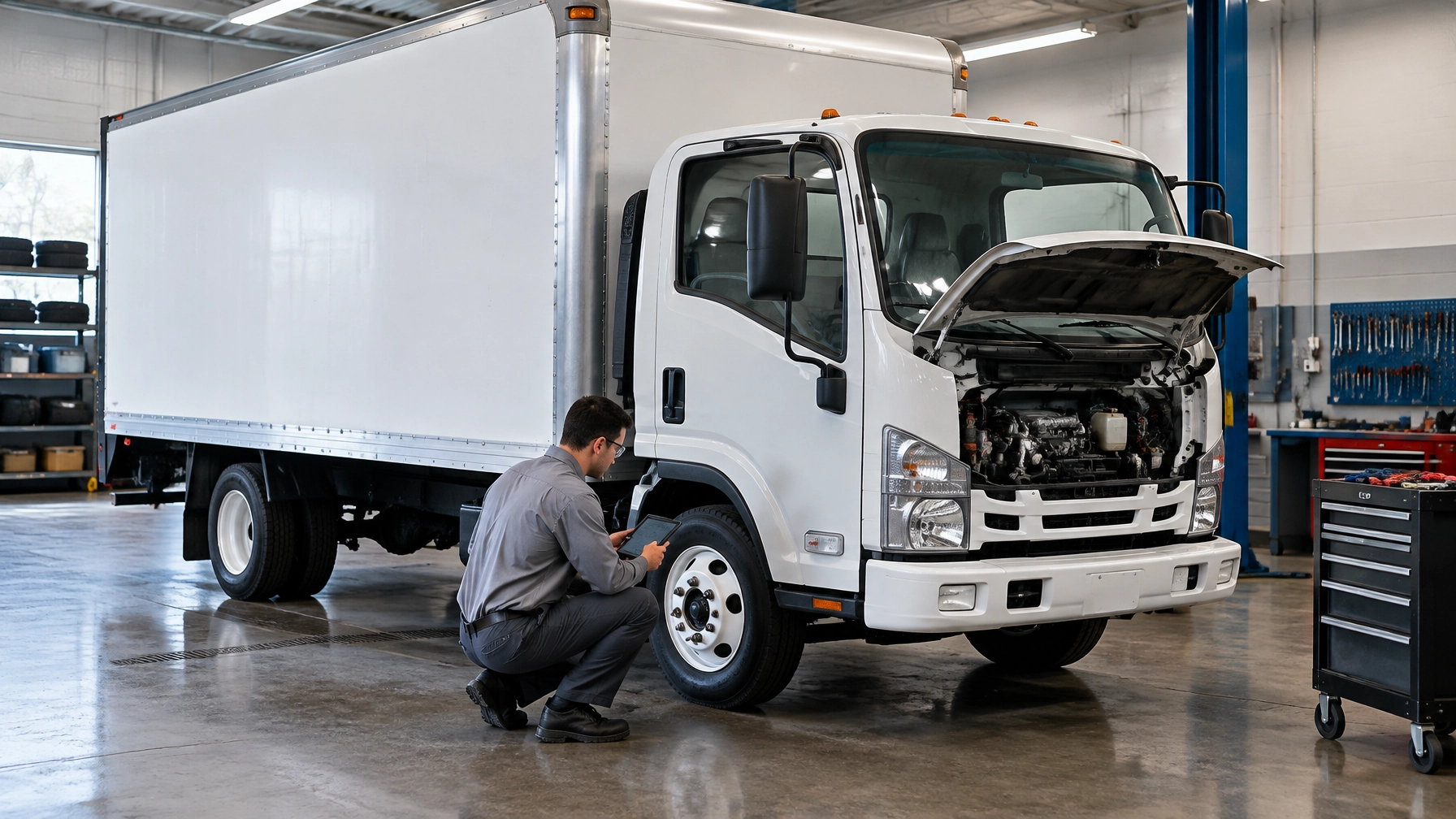
Start by confirming which vehicles you expect to operate in 2027. Record each unit’s age, mileage or engine hours, duty cycle and maintenance condition. Note whether it is a small car or truck, light truck, Dodge 5500, Ford 550, medium-duty service truck, or Hino or Isuzu box truck in the 16- to 24-foot range. Then mark any expected additions, removals or changes in use.
Build the forecast around the vehicles you plan to run, not just the amount you spent last year.
2. Separate scheduled maintenance from unplanned repairs
Keep planned work and unexpected repairs in separate budget lines. This makes it easier to see whether spending is driven by routine fleet preventative maintenance or failures that interrupt operations.
Scheduled maintenance may include oil and fluid service, filter replacement, brake checks, tire inspections, battery testing, belts and hoses, and other work required by your maintenance schedule. Estimate these costs using each vehicle’s service intervals and expected mileage or engine hours.
Unplanned repairs include work that cannot be scheduled in advance, such as a charging-system failure, unexpected brake repair or a diagnostic issue. Use your repair history to forecast this category, then add a separate contingency reserve rather than burying the reserve in routine maintenance.
A consistent preventative maintenance plan makes scheduled work easier to forecast and helps identify developing problems earlier. Review your fleet preventative maintenance options for the San Francisco Bay Area, Sacramento and West Sacramento when setting up that part of the budget.
3. Use your own repair history, not an industry average
Your records are more useful than a broad industry benchmark because they reflect your vehicles, routes, loads and operating conditions. Review at least the information available for each unit, and organize repair costs by vehicle and category.
Track measures that fit your operation:
- Annual cost per vehicle helps compare similar units and identify vehicles with recurring repair needs.
- Cost per mile is useful when mileage is recorded consistently.
- Cost per engine hour may be more appropriate for vehicles that spend substantial time idling or working at low speeds.
Keep parts, labor, diagnostic charges and downtime-related costs distinct where possible. Group units by age, model, vehicle type or duty cycle so one high-cost outlier does not distort your whole-fleet estimate. If a vehicle’s history is incomplete, flag the forecast as less certain and review it after the first quarter of 2027.
4. Plan for labor and parts changes without guessing
Avoid inserting an unsupported percentage increase for labor or parts. Instead, use current quotes and the repair work you already expect.
Ask service providers for current labor rates, parts pricing where available, and estimates for recurring maintenance or known repairs. Confirm how long a quote is valid, whether it includes diagnostic time, and whether parts availability could affect the repair schedule. For recurring work, compare the current quote with the cost paid previously and apply the actual difference to the relevant budget line.
For components with uncertain pricing or lead times, record a range rather than presenting one unverified number as certain. Review those items during the year and revise the forecast when you have updated quotes. This gives you a defensible budget while recognizing that actual repair costs may change.
5. Add Clean Truck Check testing and repair exposure
If your fleet includes vehicles subject to California’s CARB Clean Truck Check, include testing, retesting and possible repair costs in the 2027 plan. CARB states that OBD-equipped vehicles move to four emissions compliance tests per year beginning in October 2027. Requirements depend on the vehicle and engine, so verify each unit’s status and deadlines in the CARB Clean Truck Check emissions compliance requirements and its CTC-VIS account. Do not assume that every vehicle in your fleet is covered or follows the same schedule.
Create a separate line for each relevant vehicle’s scheduled test costs, using current pricing from the tester you plan to use. Add a distinct allowance for diagnostic work, repairs and retesting if a test fails or returns a result that is not compliant. A failed test can mean more than the test fee: it may require troubleshooting, parts, labor and a second visit.
Use the available pre-deadline testing window to schedule early enough for repairs and a retest if needed. Your CTC-VIS account is the place to confirm vehicle deadlines. Keep testing appointments and resulting repair work in the budget calendar so compliance costs do not appear as last-minute surprises.
6. Set a contingency reserve based on your fleet’s risk
A contingency reserve protects the operating plan from repairs that are difficult to predict. Base the reserve on your own records: review the range of unplanned repair costs from recent periods, identify repeated failure patterns and account for the age and condition of your vehicles.
Keep the reserve separate from scheduled maintenance. Specify what it covers (such as unplanned mechanical repairs, diagnostic work, retests or urgent parts) and establish who can approve its use. Review actual spending against the reserve monthly or quarterly. If a unit has recurring faults, move its likely work into a planned repair line instead of treating the same problem as an unexpected event each time.
7. Set repair-versus-replace rules before a vehicle fails
Do not wait until a vehicle is disabled to decide whether another repair makes sense. Set a review threshold for older units using your own cost and condition data. Consider the cost of the proposed repair, recent repair history, expected future maintenance, safety, parts availability and the operational impact of downtime.
A costly repair is not automatically a reason to replace a vehicle, and a lower repair estimate does not automatically make it the best choice. Compare the likely cost and reliability of keeping the unit with the cost and readiness of a replacement. Document the reasoning so the decision is consistent across the fleet.
8. Budget for flexibility to reduce avoidable downtime
Where a repair takes place can affect scheduling and operating disruption. Mobile on-site service can help avoid moving a vehicle to a shop for appropriate maintenance or repairs. In-shop work may be the right choice when the repair requires facility equipment or more extensive service. Pick-up and delivery can also help manage the logistics of in-shop repairs.

When comparing repair options, include the operational cost of vehicle downtime, not just the invoice. A planned appointment is generally easier to coordinate than an emergency repair that takes a vehicle out of service unexpectedly. Rapid Fleet Services offers mobile and in-shop service, pick-up and delivery, and availability seven days a week from 6:00 am to 6:00 pm. Choose the service arrangement that fits the repair and your operating schedule.
Review and update the budget throughout 2027
A fleet repair budget should be a working forecast. Compare actual spending with planned spending each month or quarter. Update estimates when labor or parts quotes change, when vehicles are added or removed, or when repair history identifies a recurring problem. Track scheduled work, unplanned repairs, testing costs and downtime separately so you can see where adjustments are needed.
A clear plan helps your team prioritize fleet preventative maintenance, prepare for emissions testing and make better decisions about older units. For DOT and BIT inspection planning, review inspection services for fleets in the San Francisco Bay Area, Sacramento and West Sacramento. For appropriate on-site work, see mobile fleet repair in the San Francisco Bay Area, Sacramento and West Sacramento.
Plan ahead to protect fleet uptime
Build your 2027 repair budget from vehicle-level history, scheduled maintenance needs, current quotes and a clearly defined contingency reserve. Add applicable Clean Truck Check tests and allow for potential repairs and retests. Then review actual costs throughout the year and adjust the forecast as conditions change.
Rapid Fleet Services provides commercial vehicle repair and fleet maintenance services in the San Francisco Bay Area, Sacramento and West Sacramento, with mobile and in-shop options. With more than five years of experience and 15,000+ fleet vehicles serviced, the team can help you plan work around your fleet’s needs. Call +1 916 642-5191 or book fleet service to discuss your 2027 maintenance and repair plan.
Comments are closed