Are Diesel Fleets Dead? What Bay Area and Sacramento Box Truck Fleets Still Need to Know
Diesel is not disappearing from every commercial fleet overnight. Electrification and emissions rules are changing vehicle purchasing, but many businesses still rely on diesel box trucks and service trucks to complete daily work. For fleet managers in the San Francisco Bay Area, Sacramento, and West Sacramento, the practical question is not whether diesel will last forever. It is how to keep vehicles already in service safe, compliant, and dependable while planning for a changing fleet.
The answer is straightforward: maintain the diesel vehicles you operate now, understand which rules apply to them, and plan any future changes around your routes and service needs, not headlines alone.
The California regulatory picture: Know what applies to your vehicles
California’s Clean Truck Check applies to nearly all non-gasoline heavy-duty vehicles over 14,000 pounds GVWR operating on California roads. The program includes periodic OBD-based emissions testing and reporting. If your vehicles meet the program’s criteria, verify their requirements and deadlines through the California Air Resources Board’s Clean Truck Check information.
The Advanced Clean Trucks and Advanced Clean Fleets rules also exist and shape future vehicle purchasing and compliance planning. They do not eliminate the maintenance needs of diesel vehicles currently in service. The specific obligations depend on the vehicles and fleet circumstances involved, so confirm requirements with CARB or a qualified compliance professional rather than assuming one rule applies identically to every business.
For fleet operations, these rules make planning more important, not less. Track vehicle details, keep maintenance and inspection records organized, and identify which vehicles may be subject to emissions testing. A warning light or unresolved diagnostic code should be investigated promptly. Clearing a code without diagnosing its cause can leave a vehicle unready for an OBD test and allow the underlying issue to continue.
Diesel maintenance still matters: Prioritize these key systems
A diesel vehicle’s reliability depends on consistent inspection and service. Follow the manufacturer’s maintenance schedule, account for actual duty cycles, and document completed work. Build a fleet preventative maintenance plan that covers the following systems:
- Engine oil and fluids: Use the correct oil and service intervals for each vehicle. Check coolant, transmission fluid, and other specified fluids for condition, level, and signs of leaks.
- Fuel system and injectors: Pay attention to hard starting, rough running, reduced power, or unusual smoke. Diagnose fuel-system symptoms early rather than treating them as routine wear.
- Diesel particulate filter and aftertreatment: Monitor warning indicators and follow the vehicle’s instructions for regeneration. Have persistent alerts, emissions faults, or recurring interrupted regeneration diagnosed before they become larger repair problems.
- Cooling system: Inspect the radiator, hoses, belts, coolant level, and related components. Address leaks and overheating promptly, especially when vehicles carry heavy payloads or operate in demanding conditions.
- Turbocharger and air intake: Check for damaged intake components, leaks, unusual noises, or changes in power. Restricted or leaking air paths can affect operation and should be assessed by a technician.
- Glow plugs and cold-start aids: If a diesel is slow to start or runs unevenly after startup, check the relevant starting system rather than repeatedly cycling the ignition and hoping the issue resolves.
- Transmission and brakes: Service the transmission according to the vehicle’s requirements. Inspect brakes regularly, particularly on vehicles that make frequent stops or carry changing loads.
A qualified technician can distinguish routine maintenance from symptoms that require diagnostic work. That matters for both reliability and compliance: emissions-related faults should be understood and repaired, not simply reset.
Match service to the route: Short trips and regional runs create different demands
Duty cycle affects what your maintenance plan should emphasize. In the San Francisco Bay Area, urban delivery work can involve frequent stops, idling, and shorter trips. These conditions can limit sustained engine warm-up and make it harder for some vehicles to complete normal aftertreatment regeneration. They also put repeated demands on brakes and starting systems.
For vehicles making longer regional runs from Sacramento, sustained operating time can support a different pattern of engine use. But longer runs do not remove the need to inspect cooling systems, tires, brakes, transmission, and aftertreatment components. Payload, route conditions, idle time, and the vehicle’s own service guidance still matter.
Do not apply one blanket schedule to every truck. Record how each vehicle is used, review repeat repair patterns, and adjust inspections within manufacturer recommendations. If a truck regularly works short routes, tell the technician; if it spends extended time under load, share that too. That operational context helps guide accurate diagnostics and practical service planning.
Mixed fleets: Prepare to manage diesel and electric service rhythms
Many businesses will operate diesel and electric vehicles side by side for years. That means maintaining two sets of service needs rather than treating electrification as an immediate replacement for every diesel unit.
Diesel vehicles require attention to engine oil, fuel systems, aftertreatment, cooling, and other conventional mechanical components. Electric vehicles have different inspection and diagnostic needs, including high-voltage and battery-related systems. Keep each vehicle’s service history, inspection requirements, and maintenance schedule distinct. Assign work to technicians equipped for the vehicle and the repair.
A mixed fleet also gives managers time to make purchasing decisions based on actual routes, vehicle requirements, and operating plans. Review where each type of vehicle fits; do not assume a vehicle is suitable for a job simply because it uses a particular powertrain. The Advanced Clean Trucks regulation information can help frame purchasing questions, while fleet-specific compliance questions should be confirmed with the appropriate regulatory source.

Protect resale value and control total cost of ownership
A diesel truck that has been maintained consistently is easier to evaluate than one with gaps in its service history. Organized records help document oil and fluid services, inspections, repairs, and responses to warning indicators. They also help a future buyer understand how the vehicle was cared for.
Good maintenance cannot guarantee a particular resale price or prevent every costly repair. It can, however, help identify developing problems earlier and reduce the risk of avoidable neglect. Aftertreatment repairs can be expensive; prompt diagnosis of emissions warnings and adherence to the manufacturer’s service guidance can help fleet managers avoid letting a smaller concern go unresolved.
When reviewing total cost of ownership, consider more than fuel or purchase price. Include scheduled service, unscheduled repairs, vehicle downtime, compliance tasks, and the fit between a vehicle and its assigned work. This gives you a more useful basis for deciding whether to continue maintaining a diesel unit, replace it, or assign it to a different role.
Plan diesel maintenance going forward: Use a repeatable process
Keep your diesel units operating reliably with a few consistent practices:
- Maintain a current vehicle register. Record vehicle details, GVWR, powertrain, mileage, assigned work, and applicable inspection or reporting obligations.
- Use a documented schedule. Base service on manufacturer guidance and adjust for real operating conditions, not guesswork.
- Respond to warnings promptly. Record the symptom, arrange diagnostics, and confirm the repair before returning the vehicle to routine work.
- Track repeat repairs and downtime. Look for patterns across vehicles and routes so you can address recurring issues.
- Plan purchasing separately from current maintenance. Evaluate future vehicle choices while keeping existing units properly serviced and compliant.
- Choose a service partner that fits your operation. Mobile service can reduce the need to move a vehicle, while in-shop work may suit repairs that require a facility.
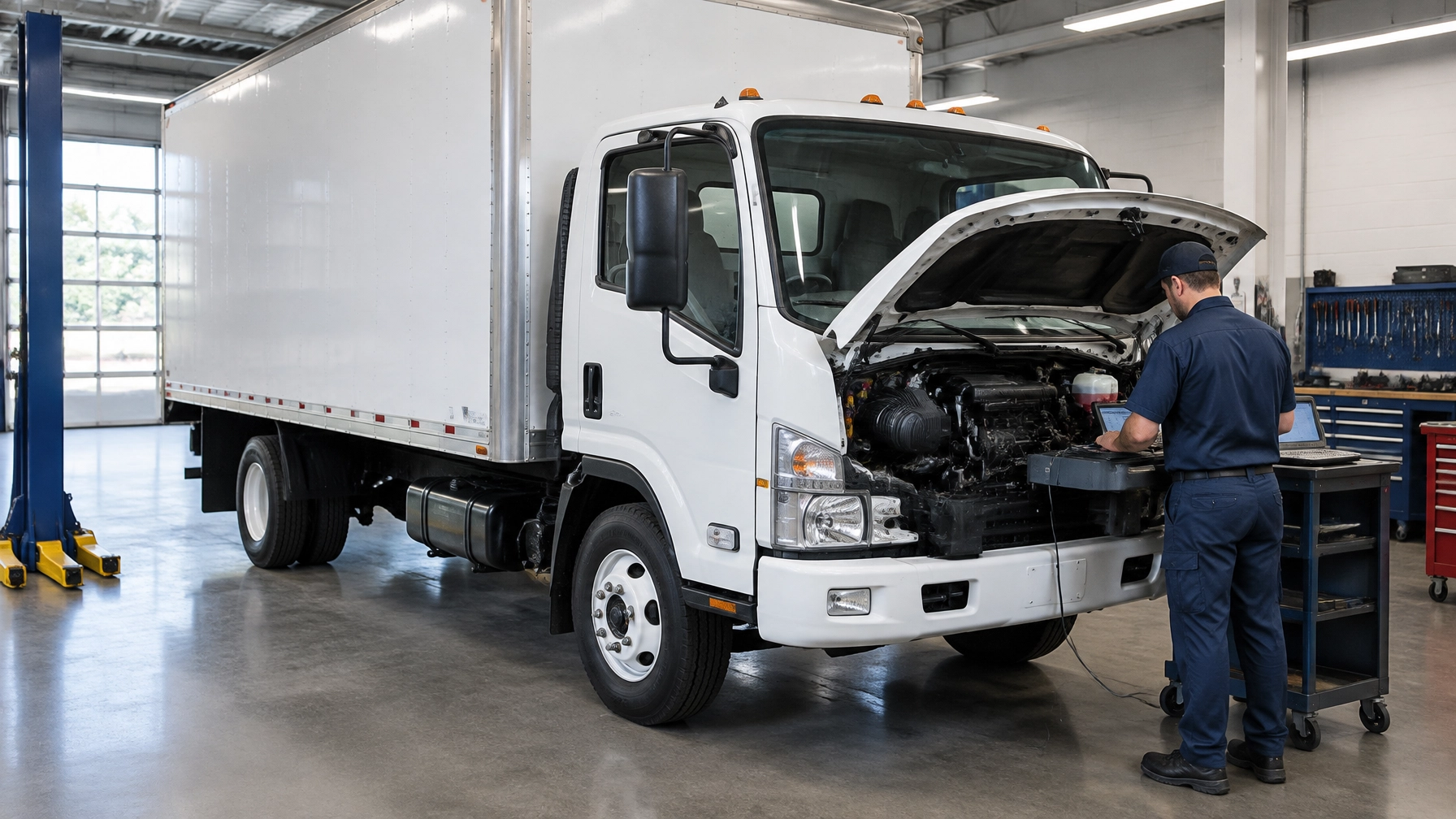
Rapid Fleet Services provides mobile and in-shop fleet repair, including preventative maintenance, diagnostics, and inspections for businesses in the San Francisco Bay Area, Sacramento, and West Sacramento. We offer pick-up and delivery, are available seven days a week from 6:00 am to 6:00 pm, and are an approved vendor for major fleet companies. Our team has more than five years of industry experience and has serviced over 15,000 fleet vehicles.
Diesel fleets are not dead. Their place in your operation depends on your routes, vehicle needs, regulations, and maintenance discipline. Keep a close eye on emissions warnings, build a service plan around real duty cycles, and make purchasing changes with your compliance obligations in view. For mobile fleet repair, fleet preventative maintenance, and DOT and BIT inspections, call +1 916 642-5191 or book service online.
Comments are closed