7 Mistakes You’re Making with Fleet Preventative Maintenance (and How to Fix Them)
For any business relying on a fleet of vehicles, uptime is the ultimate metric. Whether you manage delivery vans, utility trucks, or executive transport, every hour a vehicle spends sidelined is an hour of lost revenue and disrupted logistics. This is where fleet preventative maintenance steps in as the backbone of operational reliability.
However, simply having a maintenance plan isn’t enough. Many fleet managers fall into the trap of “checking the boxes” without optimizing the process. These errors might seem minor in the short term, but they compound into catastrophic engine failures, safety violations, and ballooning operational costs.
At Rapid Fleet Services, we see the fallout of neglected maintenance every day. To help you protect your bottom line and ensure the longevity of your assets, we’ve identified the seven most common mistakes fleet managers make and, more importantly, how to fix them.
1. The “Wait and See” Approach: Over-Reliance on Reactive Maintenance
The most significant mistake is treating maintenance as a reaction to a breakdown rather than a proactive strategy. Waiting for a dashboard warning light to appear or a driver to report a strange noise means the damage has already started. Reactive maintenance is inherently more expensive due to emergency towing fees, expedited shipping for parts, and the high cost of unplanned downtime.
The Fix: Prioritize Preventative Maintenance Services
Shift your mindset from “repairing” to “maintaining.” Implement a rigid schedule based on mileage, engine hours, or time intervals: whichever comes first. By investing in professional preventative maintenance services, you address wear and tear before it results in a roadside failure. This proactive stance keeps your fleet on the road and your repair budget predictable.

2. Neglecting the Small Stuff: Skipping Oil and Filter Changes
It is easy to push an oil change back “just another 500 miles” when the fleet is busy. However, engine oil is the lifeblood of your vehicle. As it breaks down, it loses its ability to lubricate moving parts and neutralize acids. Contaminated oil leads to increased friction, overheating, and eventually, total engine seizure.
The Fix: Strict Adherence to Fluid Health
Never compromise on fluid intervals. Regular oil and filter changes are the simplest and most cost-effective way to preserve engine health. Ensure you are using the correct oil viscosity and high-quality filters that can handle the heavy-duty cycles of commercial use. For those looking to maximize performance, monitoring engine health through fluid analysis can provide early warnings of internal wear.
3. Ignoring Driver Feedback and Daily Inspections
Your drivers are your eyes and ears on the road. They are the first to notice a slight pull in the steering, a soft brake pedal, or a change in transmission shifting patterns. A common mistake is failing to provide a formal channel for drivers to report these observations, or worse, ignoring them when they are reported because the vehicle “seems fine.”
The Fix: Standardize Driver Vehicle Inspection Reports (DVIR)
Implement a mandatory daily inspection process. Drivers should perform a pre-trip and post-trip walkaround, checking lights, fluid leaks, and tire condition. Create a culture where reporting a “minor” vibration is rewarded rather than dismissed. Addressing these issues early prevents them from escalating into major suspension or steering repairs.
4. Poor Record-Keeping and Data Quality
If you don’t track it, you can’t manage it. Many fleets still rely on paper logs or disparate spreadsheets that are prone to human error. Without a centralized record of what work was performed and when, it is impossible to identify recurring issues or predict when a vehicle will reach its end-of-life.
The Fix: Digital Fleet Management Systems
Utilize fleet management software to track every service, from a simple bulb replacement to a full fleet transmission inspection. Digital records allow you to analyze the Total Cost of Ownership (TCO) for each asset. Accurate data helps you spot “lemons” in your fleet and ensures you remain compliant with state and federal regulations, such as California’s DOT and BIT inspections.

5. Underestimating the Importance of Tire and Brake Maintenance
Tires and brakes are the most critical safety components on any commercial vehicle. Common mistakes include ignoring uneven tire wear (which indicates alignment issues) or waiting until brakes squeal to inspect the pads. In commercial vans especially, weight distribution and frequent stop-and-go traffic put immense strain on the braking system.
The Fix: Integrated Safety Checks
Tire pressure and tread depth should be checked weekly. Correct inflation not only extends tire life but also improves fuel efficiency. Similarly, regular brake inspections are non-negotiable. Educate your team on the common causes of brake failures in commercial vans to ensure they know the warning signs of heat glazing or hydraulic leaks.
6. Using Sub-Standard or Incorrect Parts
In an effort to save costs, some fleet managers opt for the cheapest available aftermarket parts. While the initial savings might look good on a spreadsheet, these parts often have shorter lifespans and lower tolerances than OEM (Original Equipment Manufacturer) or high-quality equivalent parts. A cheap sensor that fails in three months costs much more in labor and downtime than the “expensive” part did originally.
The Fix: Invest in Quality and Compatibility
Work with reputable vendors and service providers who prioritize high-quality components. At Rapid Fleet Services, we understand that commercial vehicles demand parts that can withstand the rigors of heavy use. Using the right parts ensures that your fleet engine maintenance actually results in improved performance rather than just a temporary fix.

7. Overlooking Specialized Electrical and Advanced Diagnostics
Modern fleet vehicles are essentially computers on wheels. A common mistake is applying “old school” mechanical logic to complex electrical problems. Neglecting the electrical system: batteries, alternators, and wiring harnesses: can lead to mysterious “no-start” conditions or erratic sensor data that triggers limp-mode.
The Fix: Embrace Advanced Diagnostic Tools
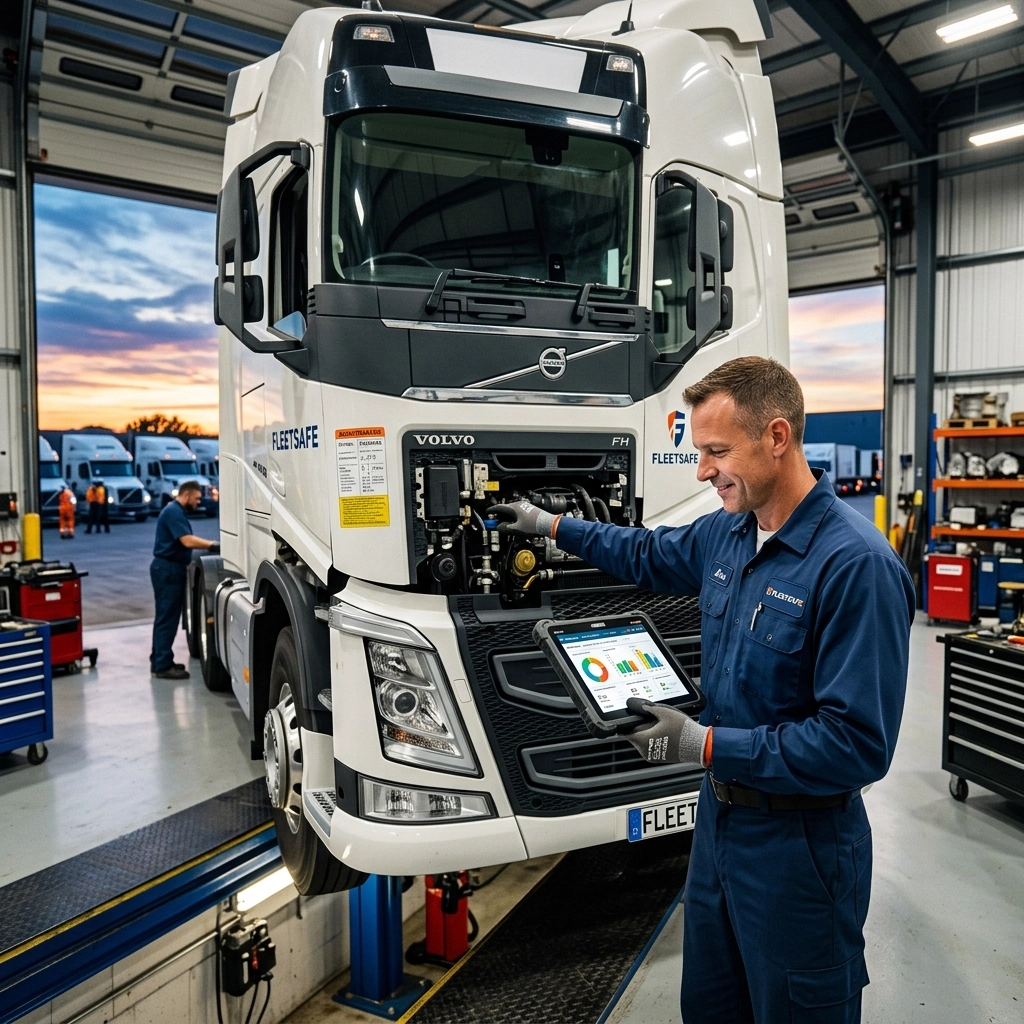
Ensure your maintenance partner uses professional-grade diagnostic equipment. Whether it is verifying the health of an EV battery through Aviloo testing or troubleshooting a complex electrical system issue, having the right tools is essential. Modern preventative maintenance must include a scan of the vehicle’s control modules to catch “pending” codes before they turn into active malfunctions.
The Path to a More Reliable Fleet
Avoiding these seven mistakes requires a shift from a “break-fix” mentality to a culture of disciplined, data-driven maintenance. When you prioritize fleet maintenance services, you aren’t just spending money on repairs; you are investing in your company’s ability to fulfill its promises to customers.
Rapid Fleet Services specializes in helping businesses across the SF Bay Area transition to high-performance fleet management. Whether you require mobile fleet services that come to your yard or comprehensive in-shop fleet services for heavy-duty repairs, our team is equipped to keep your vehicles running at peak efficiency.
Don’t let a preventable mistake ground your fleet. Take control of your maintenance schedule today and experience the difference that professional, proactive care makes.
Ready to optimize your fleet’s performance? Contact us to discuss a customized preventative maintenance plan tailored to your specific operational needs.
Comments are closed