
Fleet Engine Maintenance: Key Practices to Maximize Performance and Minimize Downtime

When it comes to managing a fleet of vehicles, there’s one thing every business owner or fleet manager learns fast: downtime is expensive. Whether it’s one truck or twenty, when a vehicle is sitting in a repair bay instead of on the road, you’re losing time, money, and productivity. That’s why investing in reliable fleet engine maintenance isn’t just smart—it’s essential.
At the core of every successful fleet operation is the engine. It powers your business, mile after mile. But these engines are under constant stress. Unlike a typical passenger vehicle, fleet engines face longer hours, heavier loads, and tougher driving conditions. Without a solid plan for care, wear and tear can sneak up quickly—and the results can be costly.
Let’s dive into the most effective strategies to keep your fleet engines running smoothly and your business moving forward.
The Realities of Fleet Engine Wear
Fleet vehicles don’t lead easy lives. Delivery vans, service trucks, and utility vehicles often start their days before sunrise and don’t stop until well after dark. That kind of demand adds up quickly, especially under the hood.
Heavy-duty engine care means recognizing that routine maintenance isn’t a one-size-fits-all solution. While most personal vehicles might go 5,000 to 7,500 miles between oil changes, high-mileage fleet vehicles often need more frequent service—especially if they’re idling a lot, hauling heavy loads, or navigating stop-and-go traffic.
Fleet engines wear faster because they work harder. And without consistent care, even minor issues can snowball into major repairs. That’s why fleet engine repair shouldn’t be reactive. It should be part of a well-thought-out maintenance strategy.
Building a Strong Engine Maintenance Program
At the heart of effective fleet vehicle upkeep is a preventive maintenance program. Think of it like a personalized health plan for each vehicle. The goal? Catch small problems before they become big ones—and keep every engine running at peak performance.
Here’s what should be on your fleet’s engine care checklist:
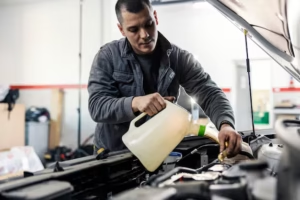
- Regular oil and filter changes: Use high-quality oil suited to your engine type (especially for diesel engines) and change it at intervals based on mileage and engine hours.
- Coolant checks and flushes: Overheating is a common killer of fleet engines. Make sure your coolant system is inspected regularly for leaks and wear.
- Air and fuel filter replacements: Clean air and fuel are essential for combustion and efficiency. Dirty filters reduce power and raise fuel costs.
- Belt and hose inspections: Cracks, leaks, or fraying can lead to sudden breakdowns. A quick visual inspection during each service goes a long way.
- Battery and electrical system tests: These systems help run ignition and performance electronics. Don’t wait until they fail to pay attention.
- Emissions and exhaust checks: Modern engines rely on clean exhaust flow to perform efficiently and meet regulations.
An effective engine maintenance program for fleets should be customized to each vehicle based on its age, mileage, engine type, and usage pattern.
Embracing Engine Performance Monitoring
You can’t fix what you don’t know is broken—or about to break. That’s where fleet engine performance monitoring comes in.
Today’s technology makes it easier than ever to track engine health in real-time. By using telematics systems and diagnostic software, you can:
- Monitor idle time, which affects fuel usage and wear
- Track engine temperature, RPMs, and oil pressure
- Receive alerts about fault codes before drivers even notice a problem
- Keep detailed logs of performance trends over time
This kind of engine health tracking turns reactive repairs into proactive maintenance. Instead of waiting for the check engine light to come on, your team can schedule service before issues escalate.
Why Driver Behavior Matters
Engines don’t just wear out from miles—they also wear out from how they’re driven. Harsh acceleration, long idling, aggressive braking, and poor shifting habits can all take a toll.
The good news? Educating your drivers can directly extend the life of your engines. Incorporate engine-friendly driving habits into your fleet training programs:
- Avoid excessive idling—turn the engine off if the wait is longer than a minute or two
- Accelerate and brake smoothly to reduce engine strain
- Report warning lights or performance changes immediately
- Conduct pre- and post-trip inspections to catch early signs of trouble
Drivers are your fleet’s first line of defense. When they’re trained to care for the equipment, engines last longer and downtime drops.
Why Detailed Records Make a Difference
Keeping detailed service records might not sound exciting, but it’s one of the smartest things you can do. Every oil change, inspection, or repair tells a story—and when you add up that story across your entire fleet, you gain powerful insight.
Fleet management systems make it easy to track everything from part replacements to performance trends. This helps you:
- Identify patterns in engine wear
- Predict which vehicles are likely to need repairs
- Make data-driven decisions on replacement timing
- Stay compliant with regulations like DOT and BIT inspections
At Rapid Fleet Services, we help clients maintain comprehensive digital service records, giving them a clear view of their fleet’s health at all times.
Choose the Right Partner for Repairs
Even the best maintenance plan won’t stop every problem. When issues do arise, you need a partner who understands the urgency of fleet engine repair and is ready to get your vehicle back on the road—fast.
That’s where Rapid Fleet Services makes all the difference. With over 15,000 fleet vehicles serviced since 2019, we’ve built our reputation on speed, expertise, and reliability. Our team offers both mobile repairs and full-service shop support across the San Francisco Bay Area and Sacramento.
We know downtime costs you money, so we offer:
- Fast turnaround times for both minor fixes and major repairs
- On-site maintenance through our mobile repair units
- Flexible scheduling and pricing to fit your business needs
- Pick-up and delivery options for extra convenience
- State inspections and compliance services to keep your fleet legal and safe
From oil changes to full engine overhauls, we tailor our services to match your fleet’s unique demands.
Fleet engine maintenance isn’t just about keeping trucks running—it’s about protecting your bottom line. When engines are properly cared for, they last longer, perform better, and cost less to operate over time. By investing in regular maintenance, using smart diagnostics, and working with a trusted repair partner, you’ll gain a real edge in reliability and efficiency.
If you’re looking for a team that understands what it takes to keep your commercial vehicles running at their best, Rapid Fleet Services is ready to help. Whether you need preventive maintenance, emergency repairs, or performance monitoring tools, we’ll make sure your fleet stays road-ready—with as little downtime as possible.
Call Rapid Fleet Services today or book your next service appointment online. Our expert team in the San Francisco Bay Area and Sacramento is here to keep your engines strong, your vehicles moving, and your business on track.
Comments are closed