7 Mistakes You’re Making with Hino and Isuzu Maintenance (and How to Fix Them)
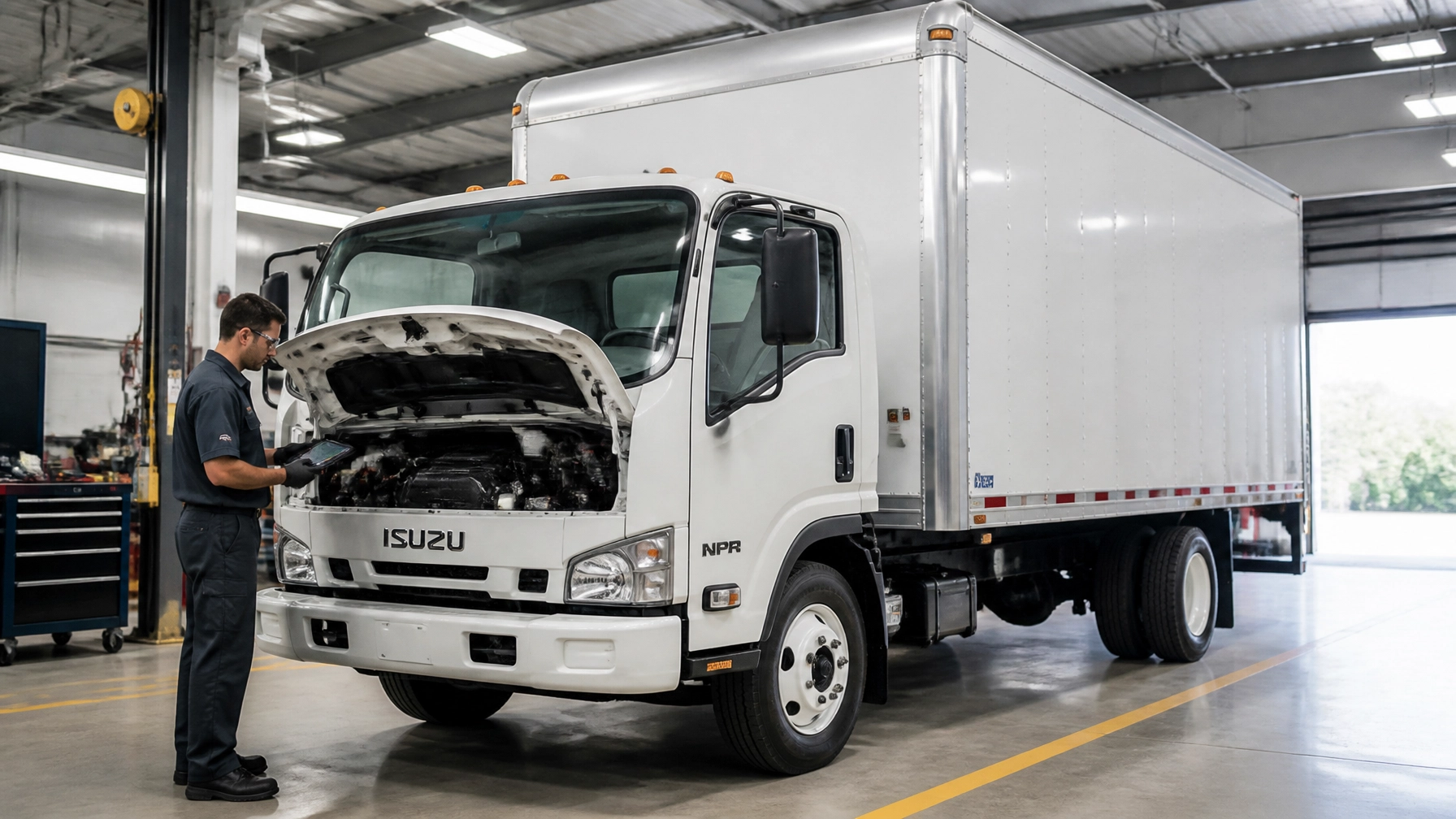
In the fast-paced logistics hubs of the San Francisco Bay Area and the growing industrial corridors of Sacramento, the 16-24ft box truck is the backbone of the economy. Whether you are operating a fleet of Isuzu N-Series or Hino 200/300 series vehicles, reliability is not just a preference: it is a requirement for survival. These medium-duty workhorses are designed for high-cycle use, yet many fleet managers inadvertently shorten their lifespan through avoidable maintenance oversights.
At Rapid Fleet Services, we have performed over 15,000 services on commercial vehicles, and we see the same patterns emerging. Ignoring specific mechanical nuances of Hino and Isuzu engines doesn’t just lead to a breakdown; it leads to cascading failures that can take a truck off the road for weeks. To maximize your uptime and minimize your operational costs, you must avoid these seven critical maintenance mistakes.
1. Stretching Oil Change Intervals Beyond Technical Limits
One of the most frequent errors in fleet preventative maintenance is the assumption that modern synthetic oils can handle 15,000 miles or more between changes in a medium-duty environment. While long-haul tractors might manage those intervals, the stop-and-go nature of Bay Area delivery routes places a much higher thermal load on the engine.
For Hino and Isuzu box trucks, stretching oil changes beyond the 7,000 to 10,000-mile mark is a recipe for turbocharger failure. These engines rely on clean oil to lubricate the high-speed bearings in the turbo. As oil shears and accumulates soot, its lubricating properties drop, leading to premature wear. At Rapid Fleet Services, we recommend a strict adherence to a 7,500-mile interval for trucks operating in urban environments to ensure the long-term health of the powertrain.
2. Treating Fuel Filters as “Optional” Components
Many operators view fuel filters as a secondary concern, often skipping them during routine fleet maintenance services to save on parts costs. This is a high-stakes gamble. Modern Isuzu and Hino common-rail diesel systems operate at extremely high pressures. Even microscopic contaminants can score an injector or clog a nozzle.
Clogged injectors don’t just cause poor fuel economy; they cause hard starting and can eventually lead to a complete engine shutdown. Replacing a set of injectors on a medium-duty diesel engine is a multi-thousand-dollar affair that far outweighs the cost of a proactive filter swap. Ensure your fuel filters are replaced every 15,000 miles to keep your fuel system pristine.
3. Mismanaging the Aftertreatment and DEF Systems
The transition to cleaner diesel technology has introduced the Diesel Exhaust Fluid (DEF) and Diesel Particulate Filter (DPF) systems. A common mistake is allowing DEF levels to drop below 10%, which can trigger a “derate” mode, significantly limiting the truck’s speed and power to ensure emissions compliance.
Furthermore, ignoring “Regen” (regeneration) prompts is a leading cause of roadside downtime. If your drivers operate primarily on short trips through Sacramento or downtown San Francisco, the engine may never reach the temperatures required for a passive regen. This results in soot buildup that eventually chokes the DPF. Our mobile fleet repair teams often respond to “limp mode” calls that could have been avoided by simply allowing the truck to complete a parked regeneration cycle or ensuring the use of high-quality, ISO 22241-certified DEF.
4. Neglecting Cooling System Flushes in High-Heat Regions
Sacramento summers are notoriously brutal on cooling systems. A mistake we see often is the failure to flush the cooling system every two years. Over time, the protective additives in diesel coolant break down, leading to cavitation: a process where tiny bubbles implode against the cylinder liners, eventually pitting the metal.
Operating with low or improper coolant concentrations leads to overheating and warped heads. A professional commercial vehicle repair facility will not just “top off” your fluids; they will test the concentration and pH levels of your coolant to ensure it is providing maximum protection against both heat and corrosion.
5. Overlooking Air System Moisture and Dryer Cartridges
For Hino and Isuzu models equipped with air brakes, the air dryer is a critical safety component. Many fleet owners forget that compressed air creates condensation. If the air dryer cartridge is saturated or the air tanks are not drained regularly, water enters the brake lines.
In the winter months or during the damp mornings of the Bay Area, this moisture can freeze or cause internal corrosion in the brake valves. To maintain safety and regulatory compliance, your technicians must drain air tanks daily and replace the air dryer cartridge annually. This is a simple step that prevents catastrophic brake failure and ensures you pass your next safety inspection.
6. Ignoring Electrical Corrosion and Battery Health
The coastal air of the San Francisco Peninsula is highly corrosive. We frequently find that Hino and Isuzu trucks suffer from “mysterious” electrical issues that are actually rooted in corroded battery terminals or water ingress in the fuse box.
Because these trucks often utilize dual-battery systems, a single failing battery can drag down the other, leading to parasitic draws and no-start conditions. During a standard preventative maintenance service, we verify the health of both batteries and apply protective sealants to terminals to ward off the effects of the salty Bay Area air.
7. Failing to Conduct Thorough BIT Inspection Services
In California, the Basic Inspection of Terminals (BIT) is a legal requirement, but many fleets treat it as a “check-the-box” exercise rather than a comprehensive mechanical audit. A superficial inspection misses the early signs of suspension bushing wear, kingpin play, or hairline cracks in the box structure.
A proper BIT inspection service is an opportunity to catch a $500 repair before it becomes a $5,000 overhaul. By examining the chassis, steering components, and safety equipment with a prescriptive eye, you ensure your fleet remains compliant and your drivers remain safe on the road.
Minimize Downtime with Rapid Fleet Services
Maintaining a fleet of Hino and Isuzu box trucks requires more than just changing the oil; it requires a deep understanding of the specific engineering behind these medium-duty vehicles. Whether you need an in-shop repair in our Sacramento facility or on-site mobile fleet repair across the San Francisco Bay Area, Rapid Fleet Services provides the expertise needed to keep your operations running smoothly.
Don’t wait for a warning light to dictate your schedule. By avoiding these seven common mistakes and partnering with a dedicated maintenance provider, you can extend the life of your fleet and maximize your bottom line. Contact us today to schedule your next service and experience the reliability of professional fleet care.
Comments are closed