Top 7 Fleet Safety Checks Every Vehicle in California Must Pass
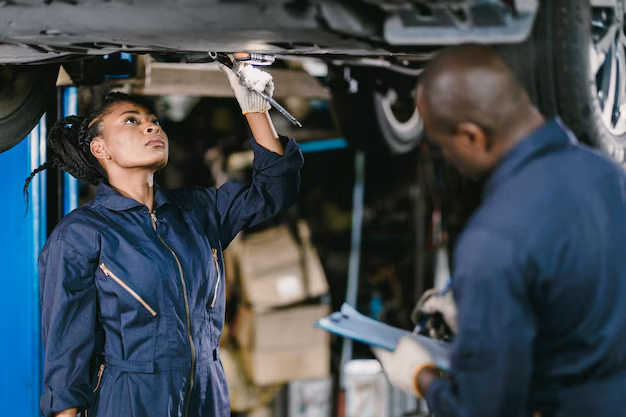
Owning or managing a fleet in California comes with a unique set of responsibilities, especially when it comes to safety compliance. The Golden State is known for its rigorous vehicle safety standards, and keeping your fleet in tip-top shape is not only a legal requirement but also essential for the safety of your drivers and others on the road. In this guide, we’ll walk through the top seven fleet safety checks every vehicle must pass in California, ensuring that your fleet is compliant and road-ready.

Understanding California’s Fleet Safety Standards
Navigating the maze of regulations for fleet vehicles in California can be daunting. With the complex mix of federal and state laws, it’s crucial to understand what’s required. The Department of Transportation (DOT) has stringent standards that every commercial vehicle must meet. These standards are designed to ensure the safety and operational reliability of vehicles on the road.
California’s diverse topography, from coastal cliffs to mountain ranges, necessitates robust safety regulations. For instance, vehicles operating in the mountainous regions may require more frequent brake checks due to the increased stress from constant elevation changes. Understanding these nuances helps in tailoring maintenance schedules to meet specific geographical challenges.
The Importance of Compliance
Failure to comply with these safety regulations can result in severe fines and penalties. Moreover, non-compliance can compromise the safety of your drivers and other road users. Therefore, regular fleet safety checks are not just a legal obligation but a moral one.
Consider the case of a logistics company that neglected regular brake inspections. The oversight led to a brake failure and a subsequent accident, resulting in hefty fines and increased insurance premiums.
Key Compliance Areas
Key areas of focus include brake systems, lighting, and tires, among others. Each component has specific standards that must be met to pass inspection. Staying on top of these requirements can keep your fleet running smoothly and legally.
For example, the lighting system is crucial for night operations and adverse weather conditions. A single malfunctioning light can lead to accidents, especially in fog-prone areas like the Central Valley. Regular checks ensure all systems are go, preventing potential mishaps and costly repairs.
Comprehensive Brake System Inspection
One of the most critical components of vehicle safety is the brake system. A reliable braking system is essential to prevent accidents and ensure the safety of your drivers.
Inspecting Brake Pads and Rotors
Regular inspection of brake pads and rotors is vital. In California’s varied terrain, from the steep hills of San Francisco to the flat stretches of Sacramento, brakes endure a lot of wear and tear. Ensuring that pads and rotors are not worn out or damaged can prevent costly repairs and dangerous situations.
Real-world experiences suggest that brake pads need replacement every 20,000 to 50,000 miles, depending on the driving conditions.
Checking Brake Fluid Levels
Brake fluid is the lifeline of the braking system. Regularly checking the fluid levels and replacing it as needed can keep your brakes functioning efficiently. Low or contaminated brake fluid can lead to brake system failure.
To avoid such issues, consider a bi-annual brake fluid replacement. This simple preventative measure can save you from more significant expenses and ensure consistent braking performance.
Ensuring Proper Lighting and Reflectors
Lighting is a fundamental aspect of vehicle safety that cannot be overlooked. Proper lighting ensures visibility for your drivers and other road users, especially during nighttime or adverse weather conditions.
Headlights and Taillights
Both headlights and taillights must be in excellent working condition. Regular checks can help identify burnt-out bulbs or misaligned lights, which can significantly impact visibility and safety.
Reflectors and Signal Lights
Reflectors and signal lights are equally important for indicating your vehicle’s movements to others. Ensure they are clean, functioning, and properly positioned to avoid misunderstandings or accidents on the road.
Regular cleaning and inspection of these components can prevent minor issues from escalating into significant safety concerns. Simple maintenance like replacing a signal light bulb costs less than $20, a small price for enhanced safety.
Tire Condition and Pressure
Tires are the only contact point between your vehicle and the road, making their condition crucial for safety and performance.
Checking Tread Depth and Wear
In California, where the climate can vary significantly, maintaining the correct tread depth is essential for good traction. Regularly checking for uneven wear can also indicate alignment issues that need addressing.
Tire tread depth can be easily measured with a gauge, and most experts recommend a minimum depth of 4/32 inches for optimal performance.
Maintaining Correct Tire Pressure
Proper tire pressure is vital for fuel efficiency and safety. Under-inflated or over-inflated tires can lead to poor handling and increased risk of blowouts, especially on long hauls.
Using a tire pressure monitoring system (TPMS) can help maintain optimal pressure levels, reducing the risk of accidents and improving fuel efficiency by up to 3%. This can translate into significant savings for large fleets.
Regular Engine and Transmission Checks
The engine and transmission are the heart of your vehicle. Keeping them in good condition is key to a reliable fleet.
Monitoring Fluid Levels
Regularly checking engine oil, coolant, and transmission fluid can prevent breakdowns and extend the life of your vehicles. These fluids play a critical role in keeping the engine and transmission running smoothly.
Scheduling regular fluid checks, especially before long trips, can prevent engine overheating or transmission failures. Such preventative measures can save thousands in repair costs and minimize downtime.
Listening for Unusual Noises
Encourage your drivers to report any unusual noises coming from the engine or transmission. Early detection of issues can prevent costly repairs and keep your fleet running efficiently.
Exhaust System and Emissions
California is known for its strict emissions standards. Ensuring your fleet meets these standards is crucial for compliance and environmental responsibility.
Inspecting the Exhaust System
Regular inspections of the exhaust system can identify leaks or damages that may affect emissions. A well-maintained exhaust system also contributes to better fuel efficiency and vehicle performance.
Meeting Emissions Standards
Ensure that your vehicles pass the required emissions tests. Keeping up with regular maintenance and using the right fuel can help meet California’s stringent emissions standards.
Failing an emissions test can result in fines and mandatory repairs. Regular maintenance can help avoid these costs and ensure your vehicles remain roadworthy. 
Chassis and Suspension Integrity
The chassis and suspension system play a crucial role in vehicle handling and comfort. Ensuring their integrity is vital for the safety and performance of your fleet.
Inspecting for Wear and Damage
Regular checks for wear and damage in the suspension components can prevent handling issues and ensure a smooth ride. Pay special attention to shock absorbers, struts, and springs.
Assessing Alignment and Balance
Proper alignment and balance are essential for optimal vehicle handling and tire wear. Regular assessments can prevent unnecessary strain on the suspension system and improve overall safety. Routine alignment checks can prevent premature tire wear and improve fuel efficiency.
The Role of Rapid Fleet Services
Staying on top of these safety checks can be overwhelming, but you don’t have to do it alone. Rapid Fleet Services in West Sacramento, CA, offers comprehensive fleet safety inspections to keep your vehicles compliant and safe. Our expert technicians are well-versed in California’s regulations and can help ensure your fleet meets all necessary standards.
For more information on how we can assist your fleet with safety inspections and maintenance, contact Rapid Fleet Services today. Keep your fleet compliant, safe, and ready for the road.
Comments are closed