Bay Area Road Conditions & Their Hidden Impact on Commercial Tires
Navigating the bustling streets of the San Francisco Bay Area comes with its own set of challenges, especially for fleet vehicle owners. One of the less visible but significantly impactful aspects is the condition of the roads and how they affect commercial tires. In this post, we’ll explore the hidden impacts of Bay Area road conditions on commercial tires and offer insights into how fleet owners can manage these challenges effectively. We’ll also highlight the importance of services like fleet tire service San Leandro CA, and touch on fleet alignment services that can extend the life of your tires.
Understanding Bay Area Road Conditions
The Bay Area is renowned for its stunning landscapes, but its roads tell a different story. With a mix of urban, suburban, and rural areas, the road conditions vary greatly.
Urban Challenges
In cities like San Francisco and Oakland, the roads are often congested and riddled with potholes. The heavy traffic exacerbates wear and tear on the road surfaces, leading to frequent patches and repairs. This urban environment creates a unique set of challenges for commercial vehicles that need to navigate tight spaces and uneven surfaces. Imagine a delivery truck maneuvering through the crowded streets of downtown San Francisco, where a single pothole could lead to a tire blowout, delaying deliveries and increasing operational costs.
Moreover, the constant stop-and-go nature of urban traffic can take a toll on tires, leading to overheating. This not only increases wear but also poses a risk of tire failure.
Suburban and Rural Roads
In contrast, the suburban and rural roads might offer less congestion but come with their own issues. The winding roads and sharp turns in areas like Marin County can be tricky for larger vehicles, increasing the risk of tire wear due to frequent braking and turning. Consider a landscaping company truck navigating the hilly terrain of Marin County; the constant braking and accelerating can lead to uneven tire wear, affecting the vehicle’s performance and safety.
To mitigate these issues, regular tire rotations and alignment checks are essential. These preventative maintenance steps can help distribute tire wear evenly, extending the life of the tires and improving vehicle safety.
The Impact on Commercial Tires
The varied road conditions in the Bay Area have a direct impact on commercial tires, often leading to premature wear and unexpected damage.
Increased Tire Wear
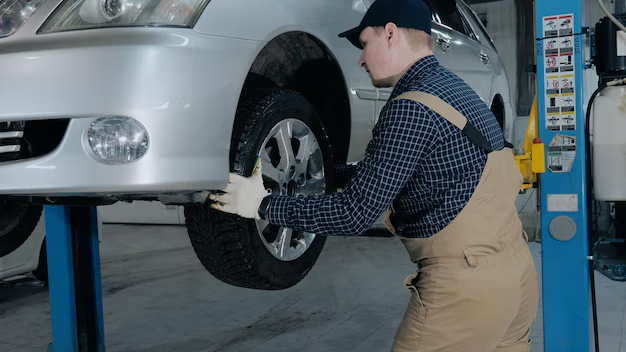
Potholes and uneven surfaces are the primary culprits of increased tire wear. When commercial vehicles hit these obstacles, it disrupts the tire alignment, causing uneven tire wear. This not only shortens the tire’s lifespan but also affects the safety and efficiency of the vehicle. For instance, a local courier service may find that its vehicles require new tires more frequently due to the constant impact of potholes, leading to increased operational costs.
To prevent excessive tire wear, fleet managers should prioritize regular tire inspections and alignments. This proactive approach can help identify alignment issues early, preventing more significant problems down the line.
Risk of Tire Damage
Sharp debris, such as glass or metal shards, often found on urban roads can lead to punctures. Moreover, the constant stop-and-go traffic in urban areas contributes to the overheating of tires, increasing the risk of blowouts. Picture a food delivery van stranded on the side of the road due to a tire blowout caused by a piece of glass—such incidents not only disrupt service but can also incur costly emergency repairs.
To minimize these risks, fleet operators should consider installing tire pressure monitoring systems (TPMS) to alert drivers to potential issues before they become serious problems. Additionally, investing in high-quality, puncture-resistant tires can be a cost-effective measure in the long run.
Seasonal Effects on Tire Performance
The Bay Area’s climate, though moderate, has its own set of seasonal challenges that affect tire performance.
Winter Wetness
During the rainy season, roads become slippery, increasing the risk of skidding. Tires with worn-out treads are particularly vulnerable in such conditions, emphasizing the need for regular tread depth checks. A construction company navigating muddy, rain-soaked sites in winter may find its vehicles slipping, highlighting the importance of maintaining adequate tread depth for optimal grip.
Regularly checking and maintaining tire tread depth can significantly enhance traction and safety during wet conditions. Fleet managers should educate drivers on recognizing signs of tread wear and encourage timely tire replacements.
Summer Heat
The summer heat can exacerbate tire wear due to increased road surface temperatures. Overinflated tires are particularly at risk during this time, as the heat can cause them to expand and potentially burst. For instance, a utility company working long hours during peak summer months may experience increased tire failures, affecting project timelines and budgets.
To counteract these effects, regular tire pressure checks are crucial. Maintaining the recommended tire pressure helps prevent blowouts and optimizes tire performance and fuel efficiency.
The Role of Fleet Alignment Service
Proper alignment is crucial for maintaining tire health and vehicle safety. Fleet alignment services can help mitigate the impact of poor road conditions.
Benefits of Alignment
Correct alignment ensures that all tires make consistent contact with the road, reducing uneven tire wear. This not only extends the life of the tires but also improves fuel efficiency and vehicle handling. For example, a logistics company that regularly schedules alignment checks may notice a decrease in fuel consumption and an increase in tire longevity.
Routine alignments can also prevent costly mechanical issues that arise from misaligned wheels, saving fleet operators significant repair costs in the long run.
Signs You Need an Alignment
If your vehicle pulls to one side or if you notice uneven tire wear, it might be time to seek a fleet alignment service. Alignments should be part of regular vehicle maintenance to ensure optimal performance.
Practical Tips for Fleet Management
There are several strategies fleet managers can implement to minimize the impact of road conditions on commercial tires.
Regular Inspections
Conducting regular tire inspections can help identify potential issues before they become major problems. Look for signs of wear, punctures, or any irregularities in tire pressure. For instance, a transportation company that incorporates weekly tire inspections into its routine can catch and address minor issues before they escalate, ensuring vehicle safety and reliability.
Scheduled Maintenance
Scheduling regular maintenance checks, including alignment and tire rotations, can help maintain tire health and improve vehicle safety. These small interventions can prevent larger, more costly repairs down the line. By adhering to a strict maintenance schedule, a waste management company can reduce unexpected downtime and manage repair costs more effectively.
Driver Training
Training drivers to navigate rough terrains and avoid obstacles can significantly reduce tire damage. Encouraging gentle driving practices, like slowing down on rough roads, can help preserve tire integrity. A delivery fleet that invests in driver training programs may experience fewer incidents of tire damage, leading to lower repair costs and improved fleet efficiency.
Local Solutions and Resources
Finding local solutions such as Rapid Fleet Services can be invaluable for managing fleet tires in the Bay Area.
Utilizing Local Expertise
Local service providers, like those offering fleet tire service San Leandro CA, understand the unique challenges posed by the region’s roads. They can provide tailored advice and services to keep your fleet running smoothly. A landscaping business that partners with a local tire service may benefit from quick response times and specialized knowledge of regional road conditions, enhancing its operational efficiency.
Building a Relationship with a Trusted Provider
Establishing a relationship with a trusted local provider ensures that your fleet receives timely and effective maintenance services. This can lead to improved vehicle uptime and reduced overall maintenance costs. By working closely with a reliable service provider, a fleet manager can negotiate preferential rates and ensure consistent, high-quality service.
Fleet vehicle owners face unique challenges when it comes to maintaining their vehicles in the Bay Area. From the urban streets of San Francisco to the winding roads of Marin County, road conditions have a significant impact on commercial tires. Regular maintenance, such as fleet alignment services, and leveraging local expertise can help mitigate these challenges. To ensure your fleet is always ready for the road, contact Rapid Fleet Services in San Leandro, CA.
Our expert team is ready to provide the tire services you need to keep your vehicles safe and efficient. Don’t wait for tire trouble to catch you off guard—reach out to Rapid Fleet Services today!
Comments are closed