
Brake Failures in Commercial Vans: Causes & Prevention Tips for Fleet Managers
For fleet managers, the safety and reliability of every vehicle on the road are top priorities. Commercial vans are workhorses, transporting goods, equipment, and people day in and day out. One of the most critical systems keeping these vehicles safe is the braking system. When brakes fail, the consequences can be catastrophic—not just in terms of costly repairs, but also in potential injuries, legal liabilities, and lost business. Understanding what causes brake failures and how to prevent them is essential for any fleet operation.
Common Causes of Brake Failures in Commercial Vans
Brake failures can result from a variety of issues, ranging from worn-out components to improper maintenance practices. Identifying the root causes allows fleet managers to take proactive steps before a serious problem occurs.
1. Worn Brake Pads and Shoes
Brake pads and shoes are designed to wear over time. When they become too thin, the brakes lose their ability to generate sufficient friction, increasing stopping distances. Some common signs of worn pads or shoes include squealing noises, a soft brake pedal, or a burning smell after heavy braking. For commercial vans carrying heavy loads, worn pads can lead to complete brake failure if not addressed promptly.
2. Brake Fluid Problems
Brake fluid is essential for transferring the force from the brake pedal to the brake components. Over time, brake fluid can become contaminated with moisture, dirt, and debris. This contamination reduces the fluid’s effectiveness, leading to a spongy brake pedal and slower response times. In extreme cases, moisture in the fluid can boil during heavy braking, causing total brake failure. Regular checks and proper fluid replacement are crucial for preventing this issue.
3. Overheated Brakes
Commercial vans often operate in demanding conditions, including stop-and-go traffic, hilly terrain, or heavy hauling. Excessive heat from repeated braking can cause brake components to warp, glaze, or even fail. Brake fade—a temporary loss of braking power due to heat—is particularly dangerous when driving downhill or carrying heavy cargo. Proper cooling periods and avoiding constant hard braking can reduce the risk of overheating.
4. Leaking Brake Lines or Hoses
Brake lines and hoses carry fluid to the braking components. Any leaks or cracks in these lines can drastically reduce braking performance. Small leaks may go unnoticed at first but can quickly escalate into complete brake failure. Fleet managers should ensure that brake lines and hoses are inspected regularly, especially in vans that operate in harsh environments or over long distances.
5. Faulty Master Cylinder
The master cylinder is the heart of the brake system, converting pedal force into hydraulic pressure. A failing master cylinder can lead to inconsistent braking, reduced pedal pressure, or total brake failure. Common signs of master cylinder problems include a sinking brake pedal, fluid leaks near the firewall, or uneven braking. Timely diagnosis and replacement are essential to avoid accidents.
6. Worn or Damaged Rotors and Drums
Rotors and drums work in tandem with brake pads and shoes to stop the vehicle. Over time, rotors can warp, develop grooves, or crack, while drums can become scored or uneven. These issues reduce braking efficiency and increase wear on other brake components. Regular inspection and resurfacing or replacement of rotors and drums are key to maintaining optimal performance.
7. Improper Brake Maintenance
Skipping routine maintenance or using low-quality parts can set the stage for brake failure. Brake components wear at different rates, and neglecting inspections or replacement schedules can turn a minor issue into a major problem. Using substandard or incompatible parts may also compromise braking efficiency, particularly in vans that carry heavy or uneven loads.
8. Operator Error
Even with a well-maintained braking system, operator behavior plays a significant role in brake health. Riding the brakes, abrupt stops, or carrying loads beyond the vehicle’s rated capacity can accelerate wear and increase the risk of failure. Training drivers on safe braking practices and proper load management can extend the life of brakes and reduce accidents.
Prevention Tips for Fleet Managers
Preventing brake failures starts with proactive maintenance, regular inspections, and driver awareness. Implementing a comprehensive fleet brake management plan can save money, reduce downtime, and improve safety across your operation.
1. Schedule Regular Brake Inspections
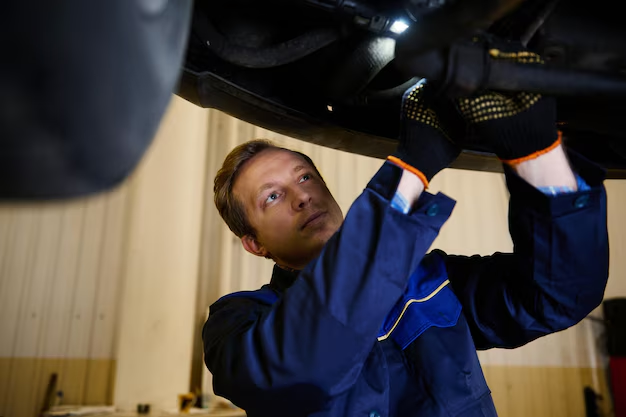
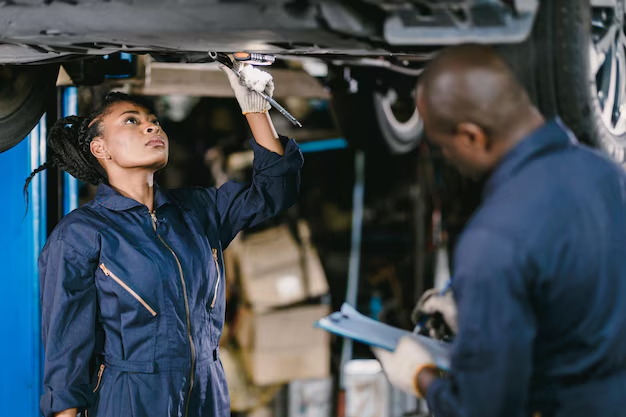
Routine inspections are the foundation of brake safety. Fleet managers should ensure that brake pads, shoes, rotors, drums, hoses, and fluid levels are checked on a set schedule. Inspections should include visual checks for wear, leaks, and damage, as well as operational tests for pedal feel and braking response. Documenting these inspections helps identify recurring issues and supports compliance with safety regulations.
2. Follow Manufacturer Recommendations
Brake systems vary by make and model, and commercial vans are no exception. Always follow the manufacturer’s guidelines for maintenance intervals, brake fluid types, and component replacement. Using the correct parts and fluids ensures compatibility and optimal performance, reducing the risk of failures caused by improper installation or materials.
3. Replace Brake Fluid Regularly
Brake fluid should be flushed and replaced according to manufacturer recommendations or more frequently in heavy-use vehicles. Moisture accumulation can occur faster in commercial vans due to frequent braking, increasing the risk of corrosion and fluid boil. Regular fluid changes keep the hydraulic system responsive and reliable.
4. Train Drivers on Proper Braking Techniques
Driver behavior directly impacts brake longevity. Encourage operators to avoid riding the brakes, to downshift on long descents instead of constant braking, and to maintain safe following distances. Training should also include awareness of warning signs like unusual noises, vibration, or decreased braking power. Educated drivers can prevent unnecessary wear and alert maintenance teams to potential issues before they become serious.
5. Monitor Brake Component Life
Modern fleet management systems often allow for tracking the mileage and wear of key brake components. Monitoring usage patterns can help predict when parts will need replacement, avoiding last-minute failures. Using telematics and inspection logs gives fleet managers data-driven insight to plan maintenance efficiently.
6. Partner with a Trusted Fleet Repair Service
Having a reliable fleet repair partner can make a significant difference in brake safety and overall fleet performance. Services like Rapid Fleet Services provide mobile and in-shop solutions, quick turnaround times, and experienced technicians who understand the unique needs of commercial vans. Working with a trusted provider ensures that inspections, maintenance, and repairs are performed correctly and efficiently.
7. Keep a Spare Parts Inventory
For high-mileage fleets or vans in constant operation, keeping critical brake components in stock reduces downtime. Having replacement pads, shoes, and fluid readily available allows for faster service and prevents unnecessary delays due to part shortages.
8. Inspect After Severe Use
Heavy loads, steep terrain, or long trips can put extra strain on braking systems. After such use, conduct a targeted inspection to identify heat-related wear, leaks, or component damage. Catching these issues early can prevent catastrophic failures on future trips.
Prioritizing Brake Safety Saves Lives and Money
Brake failures in commercial vans are preventable when fleet managers combine routine inspections, proper maintenance, driver training, and trusted repair partnerships. Every van on your road represents a potential safety risk if brakes are neglected. By implementing a structured brake management plan, you protect drivers, cargo, and your bottom line.
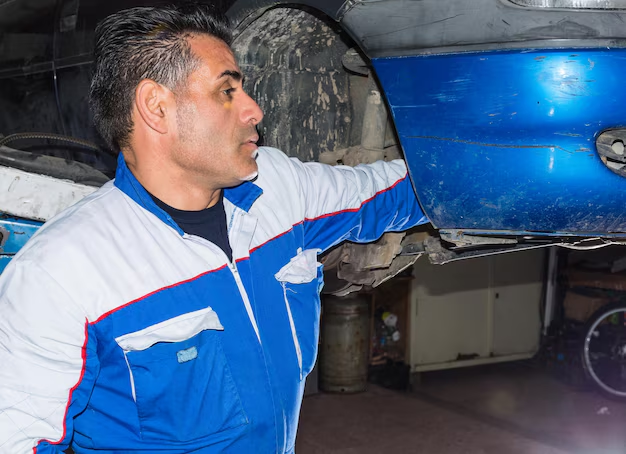
Keeping your fleet in peak condition starts with a proactive approach to brake maintenance. Rapid Fleet Services offers mobile and in-shop solutions across the San Francisco Bay Area and Sacramento, ensuring your commercial vans receive expert inspections, repairs, and preventive maintenance. Partner with a service provider that understands your fleet’s unique needs and keeps your vehicles moving safely and efficiently. Contact Rapid Fleet Services today to schedule your fleet’s next brake inspection and keep your operation running without interruptions.
Comments are closed